Introduction: Why Frankincense Is Gaining Global Attention Again
Frankincense benefits include joint pain relief, reduced inflammation, improved breathing comfort, and natural skin support when used correctly. In many traditional homes, frankincense was never labeled a “supplement.” It was simply part of everyday healing. A small piece warmed in ghee, a herbal preparation given during recovery, or a quiet remedy trusted for aching joints and tired bodies.
Today, the modern world knows it as frankincense or Boswellia, and science is finally catching up with what herbalists have known for centuries.
As interest in natural and plant-based healing grows, frankincense benefits are being studied for joint health, inflammation, breathing comfort, and skin care. In this article, I’ll explain frankincense from an herbalist’s point of view—honest, practical, and safe—blending traditional wisdom with modern understanding.
What Is Frankincense (Boswellia)?
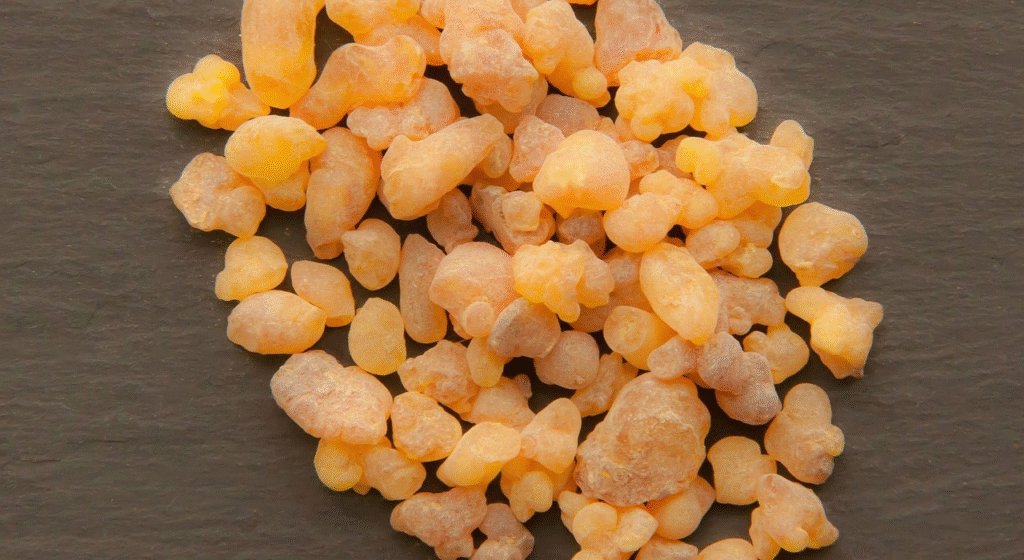
Frankincense is a natural resin obtained from trees of the Boswellia genus. When the bark is gently cut, a milky sap flows out and hardens into golden-brown resin. That hardened resin is frankincense.
Botanical Origin of Frankincense
Frankincense comes primarily from:
- Boswellia serrata
- Boswellia carterii
- Boswellia sacra
These trees grow in dry, mountainous regions of South Asia, the Middle East, and parts of Africa.
Boswellia serrata vs Other Species
From a medicinal perspective, Boswellia serrata is the most widely studied for health benefits, especially inflammation and joint pain. Other species are often used more for aromatic and spiritual purposes.
Frankincense in Traditional Herbal Medicine
Long before research labs existed, frankincense was respected as a warming, strengthening resin.
Ancient South Asian & Middle Eastern Use
Traditionally, frankincense was used:
- To support joint comfort
- During physical recovery
- To promote warmth and circulation
- For breathing ease
It wasn’t rushed. Herbal healing was slow, steady, and nourishing.
Frankincense as a Daily Healing Resin
Elders often described frankincense as something that “supports the body while it heals itself.” That philosophy still holds true today.
Active Compounds in Frankincense
The real magic of frankincense lies in its chemistry.
Boswellic Acids Explained
Frankincense contains boswellic acids, natural compounds known for their anti-inflammatory effects.
How Boswellic Acids Reduce Inflammation
Unlike painkillers that block pain signals, boswellic acids:
- Support healthy inflammatory pathways
- Reduce chronic inflammation
- Work gently over time
This explains why frankincense works best with consistent, moderate use.
Frankincense Benefits for Joint Pain and Inflammation
One of the most researched frankincense benefits is joint support.
Arthritis and Osteoarthritis Support
Herbalists have long used frankincense for:
- Knee pain
- Back stiffness
- Age-related joint discomfort
Modern studies suggest Boswellia may help improve joint mobility and reduce pain, especially in osteoarthritis.
Stiffness, Swelling, and Mobility
From experience, people who take frankincense patiently often notice:
- Less morning stiffness
- Better flexibility
- Improved comfort during movement
Think of frankincense as oiling a rusty hinge—it doesn’t force movement, it gently restores it.
Frankincense Benefits for Respiratory Health
Frankincense has traditionally been valued for breathing comfort.
Asthma and Breathing Support
Frankincense may help:
- Support clear airways
- Reduce inflammatory response in the lungs
It is not a replacement for inhalers or medical treatment but may act as a supportive herb.
Cough, Mucus, and Chest Comfort
Herbal preparations of frankincense were used to:
- Ease cough
- Reduce mucus buildup
- Support chest warmth
Frankincense Benefits for Skin Health
Frankincense is deeply respected in natural skincare.
Anti-Aging and Skin Repair
Its antioxidant nature supports:
- Skin renewal
- Fine line reduction
- Improved elasticity
Acne, Scars, and Skin Tone
Used externally (especially as oil infusions):
- Helps calm irritated skin
- Supports scar healing
- Promotes even skin tone
⚠️ Always dilute essential oils before skin use.
Frankincense and Digestive Wellness
Although less discussed, frankincense also supports digestion.
Gut Inflammation Support
Traditionally, it was used for:
- Digestive discomfort
- Internal inflammation
Traditional Digestive Uses
Small amounts combined with ghee helped balance its warming nature and ease digestion.
How Frankincense Works in the Body (Herbalist Explanation)
Frankincense doesn’t attack symptoms. It supports balance.
Herbs like frankincense work by:
- Encouraging natural healing
- Supporting long-term wellness
- Strengthening weak systems slowly
This is why consistency matters more than dosage.
Traditional Ways to Use Frankincense
Frankincense with Ghee
One of the oldest methods:
- Resin gently warmed in ghee
- Taken in very small amounts
Frankincense Powder and Infusions
Traditionally:
- Resin is powdered
- Used sparingly with warm foods
Modern Forms of Frankincense
Capsules and Extracts
Today’s supplements often standardize boswellic acids for convenience and accuracy.
Frankincense Essential Oil
Used externally for:
- Skin care
- Aromatherapy
- Relaxation
Never ingest essential oil unless guided by a professional.
Correct Dosage of Frankincense
Safe Daily Amounts
General herbal guidance:
- Small, consistent doses
- Avoid excess
Signs of Overuse
Too much frankincense may cause:
- Digestive upset
- Bloating
- Heat discomfort
Frankincense vs Other Natural Gums
Frankincense vs Gond Katira
They are not the same:
- Frankincense: warming, anti-inflammatory
- Gond Katira: cooling, hydrating
Confusing them can lead to incorrect use.
Safety, Warnings, and Who Should Avoid Frankincense
Avoid or consult a professional if you:
- Are pregnant
- Have chronic medical conditions
- Take long-term medication
Herbs should support—not complicate—health.
Why Quality and Purity of Frankincense Matter
Pure frankincense:
- Has a distinct aroma
- Is slightly bitter
- Does not swell like other gums
Low-quality resin reduces effectiveness.
Conclusion: Frankincense as a Gentle Herbal Ally
Frankincense, also known as Boswellia, beautifully bridges ancient wisdom and modern science. When used respectfully, it supports joints, breathing, skin, and overall balance.
Herbs are not shortcuts. They are companions.
Frankincense reminds us that healing doesn’t have to be harsh—it can be gentle, steady, and deeply nourishing.
FAQs About Frankincense (Boswellia)
1. Is frankincense safe for daily use?
Yes, in moderate amounts and with proper guidance.
2. Can frankincense help with arthritis pain?
It may support joint comfort by reducing inflammation.
3. Is frankincense the same as other edible gums?
No, frankincense is unique and should not be confused with cooling gums.
4. Can frankincense improve skin glow?
Yes, especially when used externally in diluted form.
5. What happens if too much frankincense is taken?
Digestive discomfort or bloating may occur.
Please don’t forget to leave a review.
Explore more by joining me on Patreon